Northbourne CEPrimary School

Behaviour
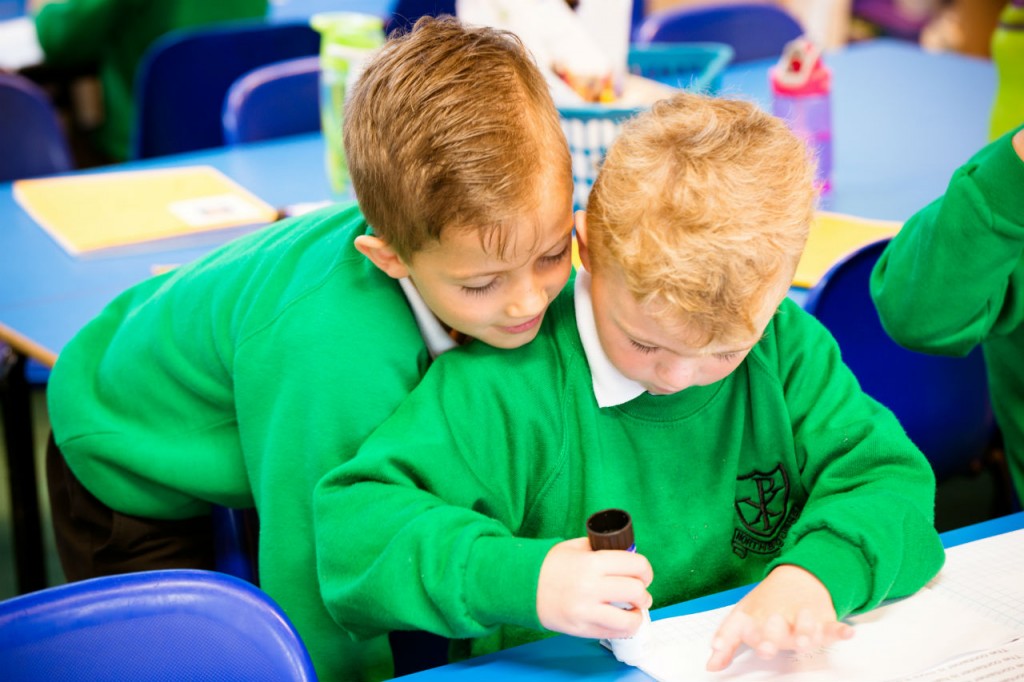
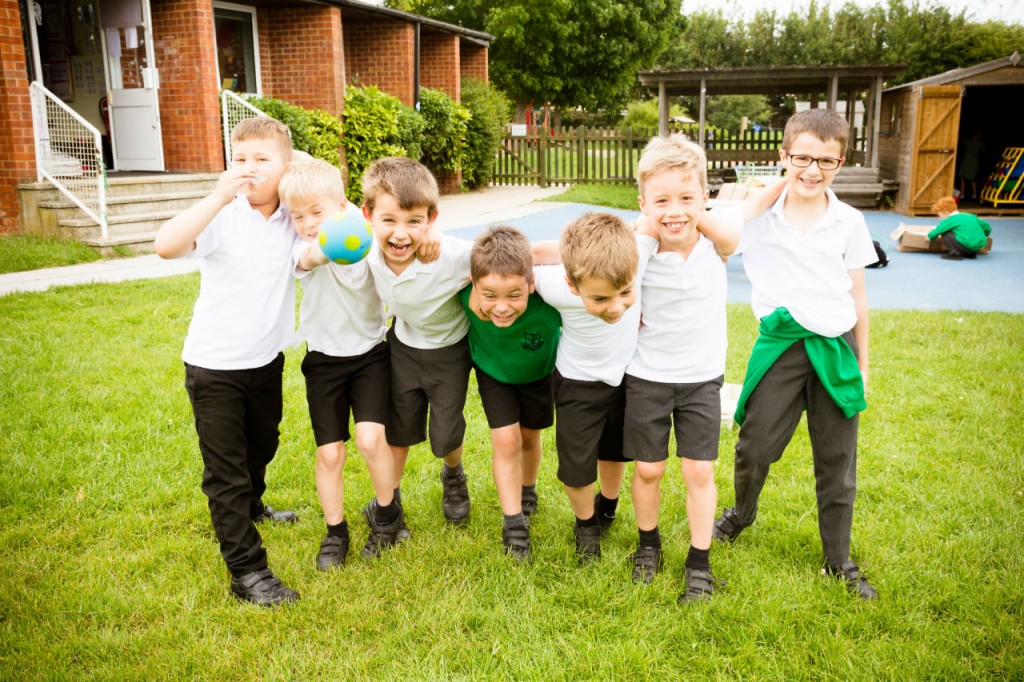
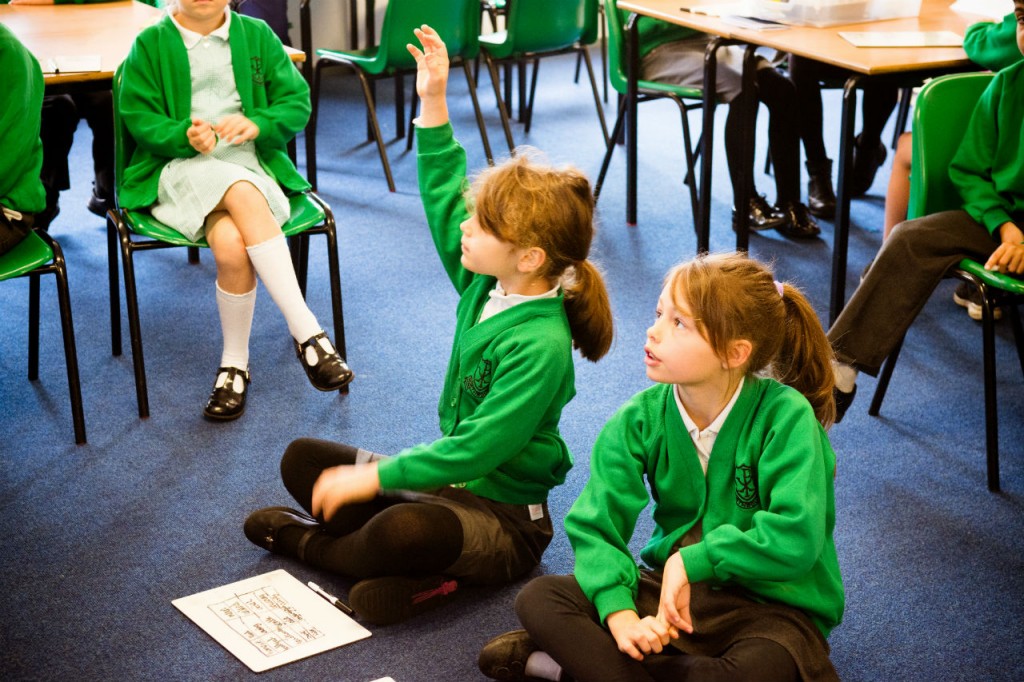
We will Nurture Excellence though our commitment to providing a happy and safe environment so they can flourish in their learning and play. We recognise that all behaviour is a form of communication and the importance of understanding where it is coming from to be able to help and address it. We will all show courage to speak up and speak out if we see behaviours that are harmful to others; show compassion to those who are hurt and work together as a community through teaching, learning and restorative practices so that everyone feels happy and safe in school. Our school rules of Be Kind, Be Safe and Be Your Best, help us to achieve our values.
All behaviour is a form of communication. Where behaviour is not acceptable, it is the role of school staff to try to understand why children respond in the way that they do, help them understand their responses, and help them to make positive choices in response to the situations in which they find themselves going forward.
We aim to:
- Promote & maintain high standards of behaviour to ensure a calm & happy community
- Be clear in our behaviour expectations, distinguishing right from wrong
- Be consistent in our approach to managing good and poor behaviour
- Nurture children’s self-discipline so they can manage & accept responsibility for their actions
- Encourage an intrinsic desire to ‘do the right thing’ rather in return for a reward
- Support those who find managing their behaviour difficult
- See parents as valued partners with the school in supporting their children’s behaviour.
To do this, we encourage the children to:
- Understand that their behaviour has an impact on themselves and others.
- Learn about self-regulation, tolerance and respect.
- Know they are valued and nurtured as individuals.
- Feel safe because bullying, discrimination and harassment are not accepted.
- Be self-aware, resilient and healthy children.
Respect and Good Manners
We expect everyone to respect each other. This means treating each other as they would like to be treated themselves. An individual may not like what another person believes, says or does but we must all show tolerance and understanding and act accordingly. We expect all members of the community to be polite manners. This includes:
- Using an appropriate volume and tone of voice
- Using, ‘Please’, ‘Thank you’ and ‘Excuse me’
- Waiting your turn to speak
- Asking to borrow something rather than taking it
- Stepping aside if someone is walking towards you
- Holding the door open for another person